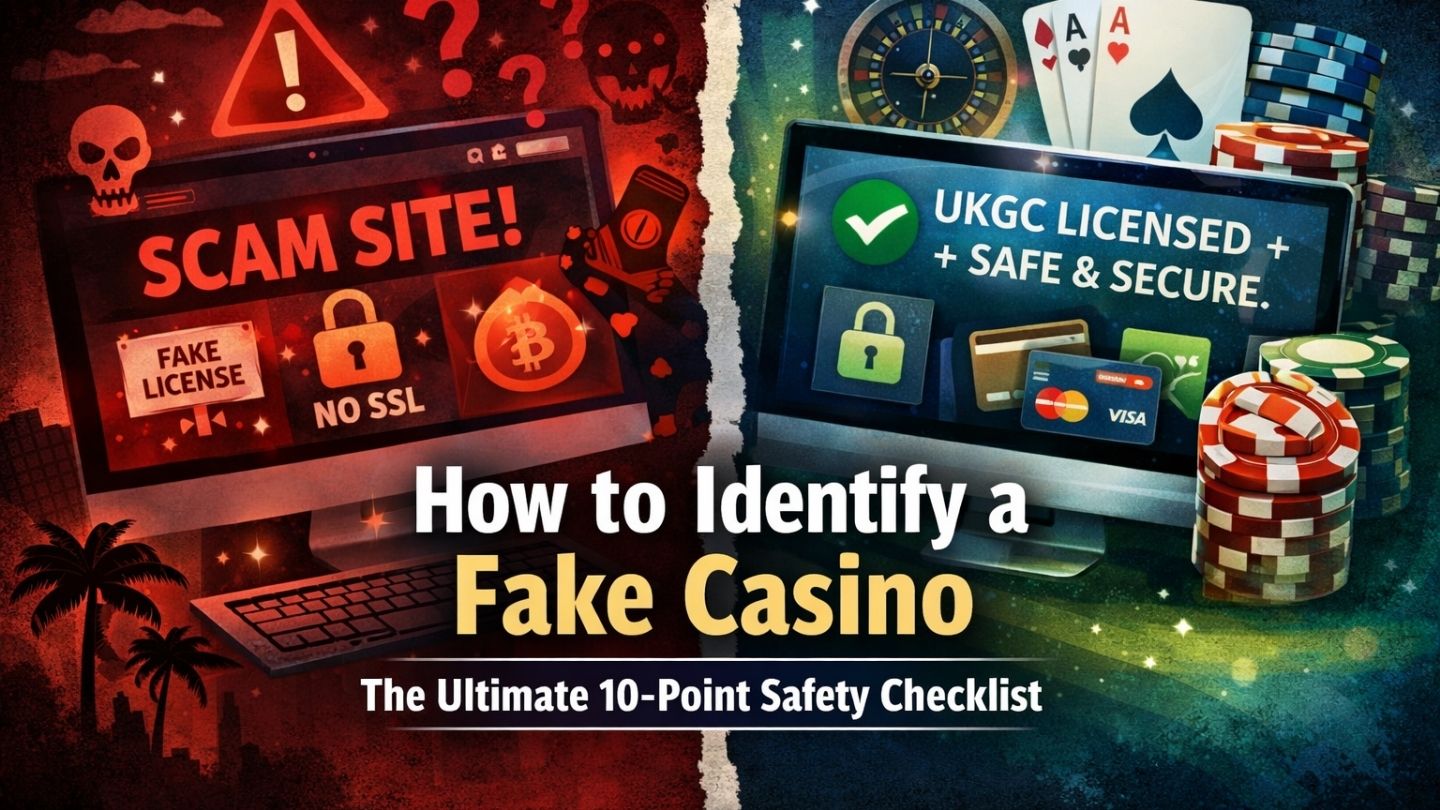
The online gambling world is vast, and while most operators are legitimate businesses, the industry is dogged by a persistent “scam casino list” that preys on unsuspecting players. These fake sites are designed to look professional, deposit your money instantly, and then vanish—or simply refuse to pay out when you win.
Before you deposit your hard-earned money, you need to know the difference between a safe gambling site and a sophisticated trap. If you find yourself asking, “Is [Casino Name] legit?”, stop immediately and run it through this checklist.
Here is the definitive 10-point guide to identifying a fake online casino.
The 10-Point Casino Safety Checklist
1. The License Verification (The Critical Step)
This is the single most important check. A legitimate casino must hold a license from a recognized regulatory body. If there is no license, it is a fake casino. Period.
- What to look for: Scroll to the very bottom (the footer) of the casino’s homepage. You should see the logo of a regulator like the UK Gambling Commission (UKGC) or the Malta Gaming Authority (MGA).
- The Scam: Fake casinos will place a static image of a regulator logo on their site that doesn’t link to anything, or links to a fake validation page. You must manually verify the license. (See the dedicated section below on how to do this).
2. Missing SSL Encryption
If a site is not secure, never enter your personal details or payment information.
- What to look for: Look at the URL bar in your browser. You should see a small padlock icon next to the website address, and the address should start with “https://” rather than just “http://”. This means the connection is encrypted and secure.
3. Unrealistic Bonuses and Wagering “Traps.”
Scam casinos use offers that seem too good to be true because they have no intention of ever letting you withdraw.
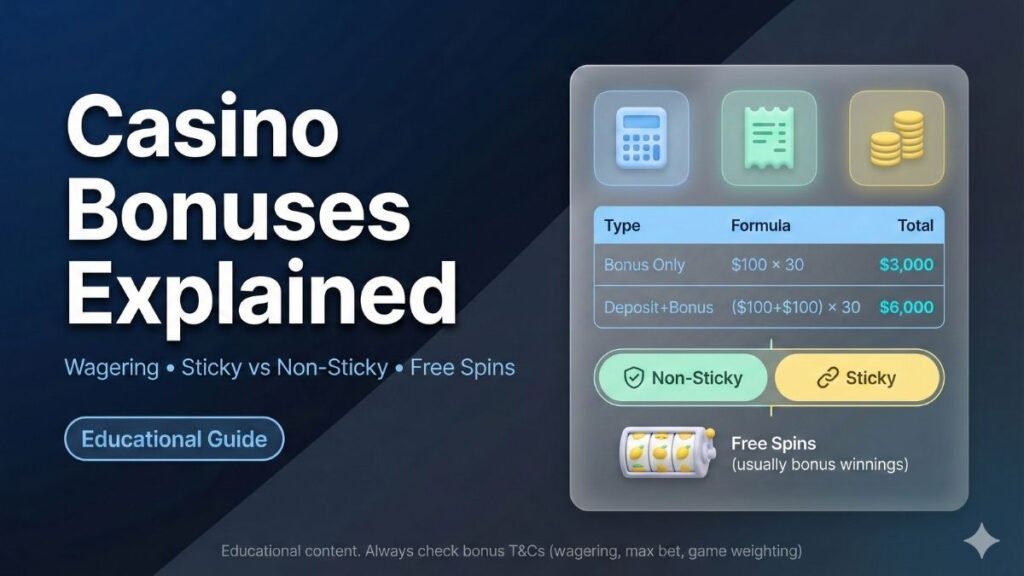
- What to look for: A 400% match bonus up to $10,000 might sound amazing, but check the terms. Fake sites often hide predatory terms, such as wagering requirements on both deposit and bonus (e.g., 60x D+B), or max cashout limits of $50 on huge bonuses.
4. Non-Standard or Crypto-Only Payment Methods
While legitimate crypto casinos exist, scams overwhelmingly favor untraceable payment methods.
- What to look for: Be very wary if a casino does not offer standard options like Visa, Mastercard, PayPal, or major e-wallets (Skrill/Neteller). If the only option is to send Bitcoin to a wallet address with no third-party processor, it is a major red flag.
5. Pirated or Unknown Software Providers
Legitimate casinos rent games from certified providers such as NetEnt, Evolution, and Pragmatic Play. These games run on the provider’s secure servers, ensuring fair RTP (Return to Player).
- The Scam: Fake casinos use pirated (cracked) versions of popular games and host them on their own servers. These games are rigged to have a much lower RTP than the official versions, making it nearly impossible to win. If the game feels “off” or glitches frequently, leave.
6. Broken English and Poor Website Design
While some legitimate sites have outdated designs, glaring errors are a warning sign.
- What to look for: Scam sites are often thrown together quickly. Look for obvious spelling mistakes, broken images, dead links in the menu, or terms and conditions that appear to be copied and pasted from another brand (sometimes they forget to change the casino name in the text).
7. Non-Existent Customer Support
A real casino wants to help you play. A fake casino wants to ignore you once you’ve deposited.
- The Test: Before depositing, test their live chat. Do you get a real person, a helpful bot, or nothing at all? Ask them a specific question about their license. If they evade the question, give vague answers, or if the “Live Chat” button is just an email form, stay away.
8. Missing Responsible Gambling Tools
Regulated casinos are legally required to provide tools to help you manage your play, such as deposit limits, time-outs, and self-exclusion options.
- What to look for: Check your account profile. If there is no section to set spending limits, the casino is likely unregulated and unsafe.
9. A “Ghost” Online Reputation
If a casino launched yesterday, nobody knows if it pays out.
- What to look for: Search Google for “[Casino Name] complaints” or “is [Casino Name] legit”. Look at major regulating forums. If there is zero information, or if the only reviews look like paid bot comments, do not be the test subject.
10. Predatory Withdrawal Terms
The biggest sign of a fake casino is in the fine print regarding getting your money out.
- What to look for: Check the T&Cs for clauses that allow them to confiscate winnings for vague reasons (e.g., “irregular play”). Look for absurdly low weekly withdrawal limits (e.g., $500 per week) designed to frustrate big winners into playing their balance back down to zero.
KEY INSIGHT: How to Manually Verify a License
Do not blindly trust the logo in the casino footer. Sophisticated scams create fake verification pages that look exactly like the regulator’s site.
You must verify the license on the official regulator’s website yourself.
Here is how to do it for the major jurisdictions:
1. The UK Gambling Commission (UKGC)
- Who they protect: Players in the United Kingdom.
- How to check: Go to the casino’s footer and find the 5-digit license number.
- Official Verification Link: Go to the UKGC Public Register and enter that account number. Ensure the domain name on the license matches the website you are on exactly.
2. The Malta Gaming Authority (MGA)
- Who they protect: Many international markets (often considered the gold standard for EU players).
- How to check: Look for the MGA logo in the footer. It should be clickable.
- Official Verification Link: When you click the logo, ensure the new page opens on the official domain
authorisation.mga.org.mt. If it opens on any other URL, it is a fake validation page. You can also search manually on the MGA Licensee Register.
3. Curacao (Various Master Licenses)
- Who they protect: Global markets (often crypto-friendly). Note: Curacao licenses offer less player protection than the UKGC or MGA, but they are still better than unlicensed sites.
- How to check: Look for the shield icon in the footer. It should link to a validation page from a master license holder, such as Antillephone N.V. or Gaming Curacao.
- Crucial Check: Verify the validation page URL is authentic (e.g.,
validator.antillephone.com). Many fake casinos use fake Curacao validators.
Summary
If a casino fails even one of the critical points on this checklist—especially the license verification—do not deposit. The internet is full of safe, regulated gambling sites. There is never a good reason to risk your money at an unverifiable casino.